Written by Stavros Didakis, Professor, NYU Shanghai.
Computational media technologies possess the property of being able to manipulate and easily change content that stimulates accordingly human sense and perception. The media creations can be displayed in non real-time or real-time with interactive facilitation and to shift to certain conditions. Using a range of implementation combinations of computational systems, media design and artistic creativity, interior spaces can be radically transformed, provoking the role of the designer and our understanding of how spaces can be (re)composed and lived.
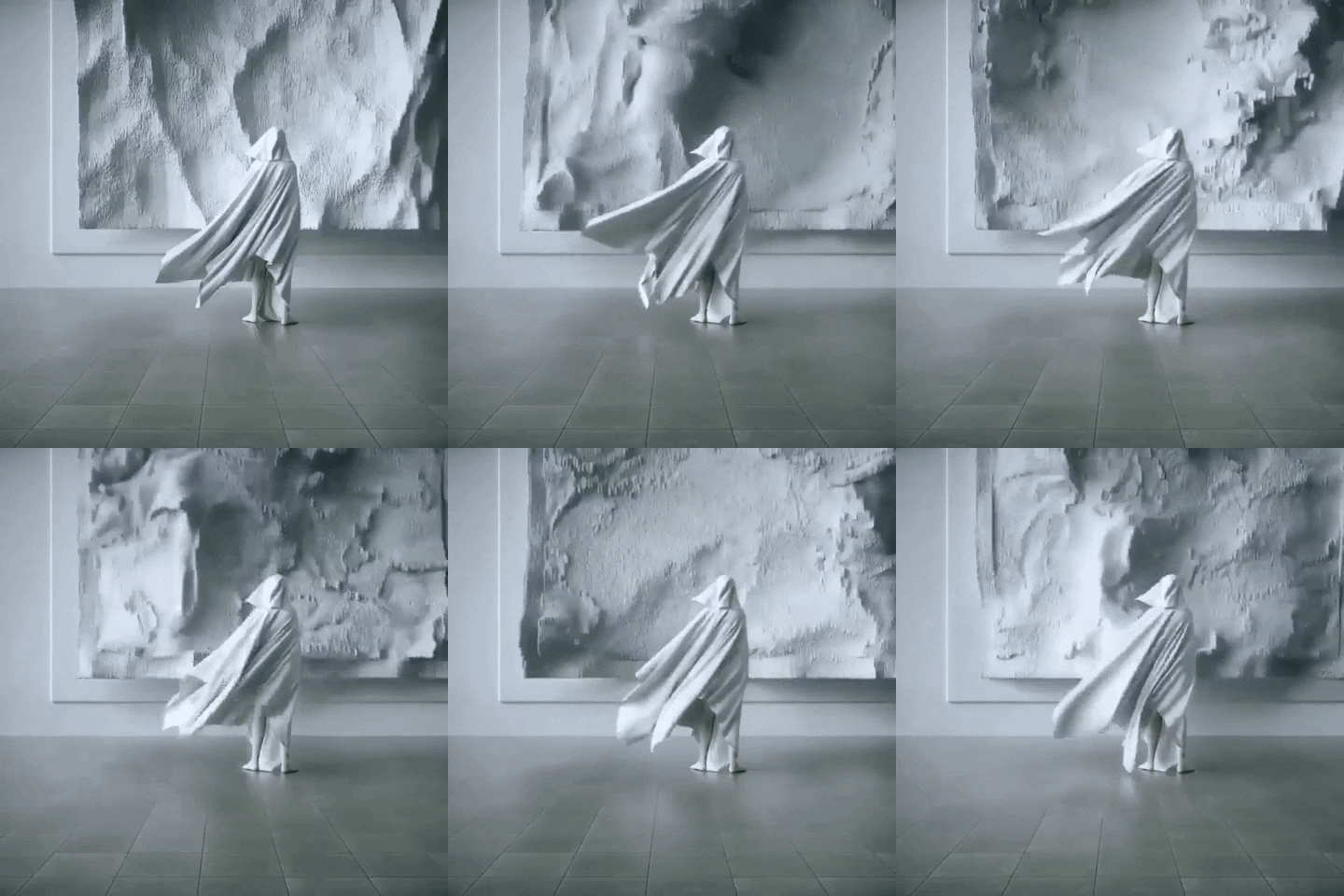
Media design allows us to create content that expresses our imagination to all possible directions. Through the use of 2D, 3D, animation, video, photography, sound, coding, and more, compositions are able to become "alive", challenging our senses and aesthetic resonances. The following examples demonstrate works that have utilized many of the aforementioned media tools to enhance the interior design, creating surreal experiences that engage viewers and participants.
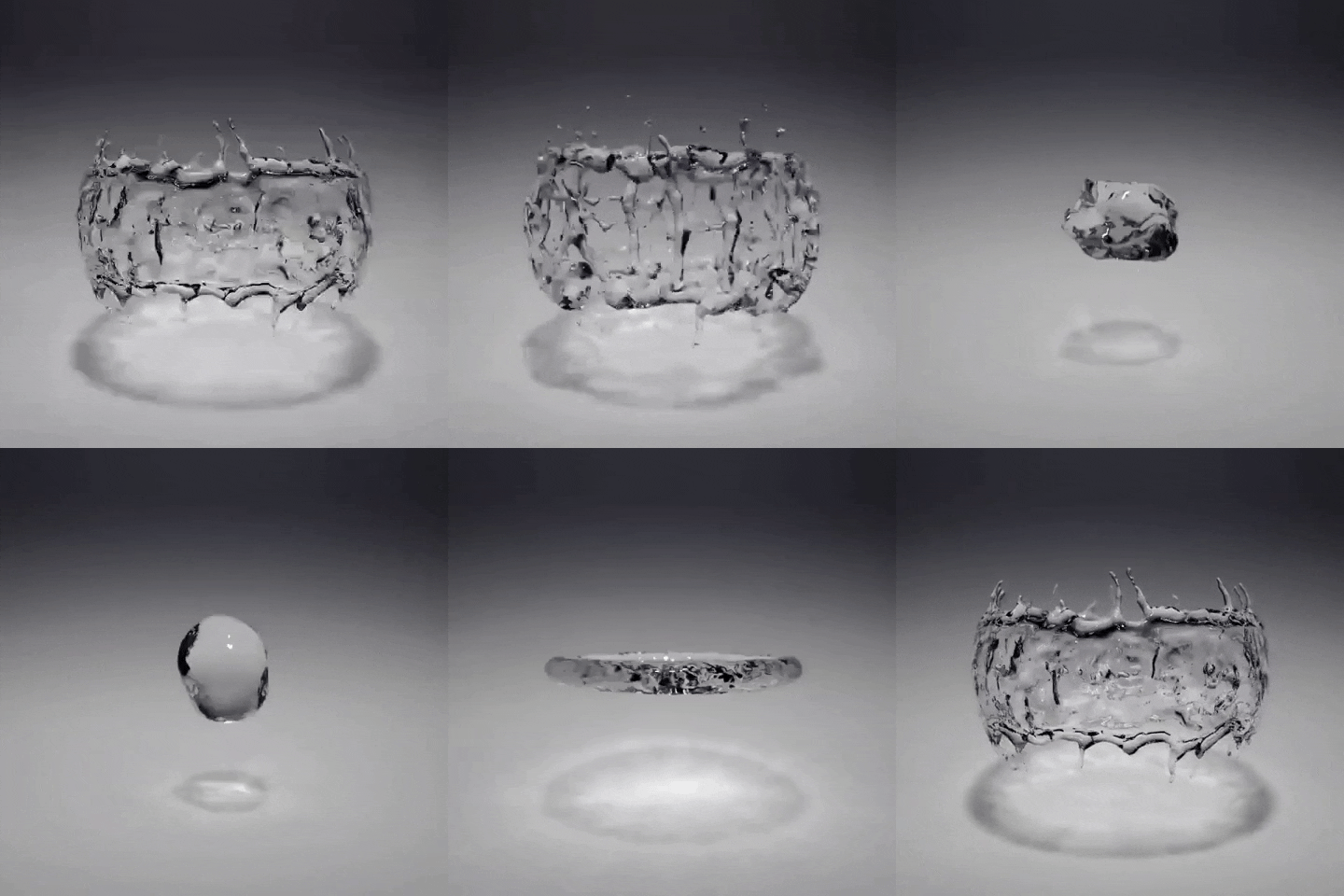
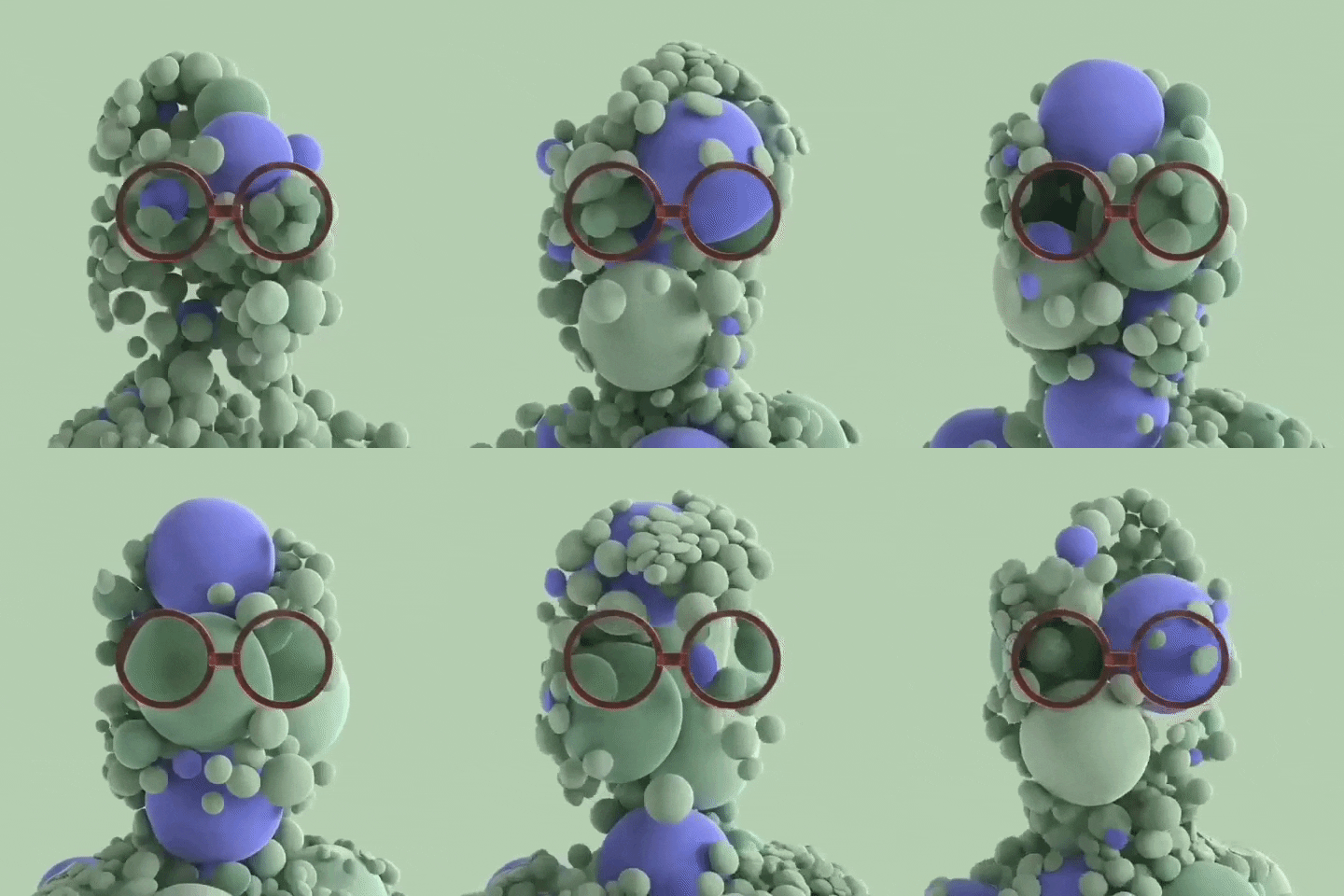
This example by the Moment Factory has been installed in Changi airport in Singapore, an airport that has been voted for many consecutive years as the best one in the world. Here, the passenger experience is a priority, which adds to the overall well-being and identity of the city. A large display incorporates sophisticated media content with main objective to immerse the audience into its visual narratives.
Theatre of Experience (Moment Factory, 2018)